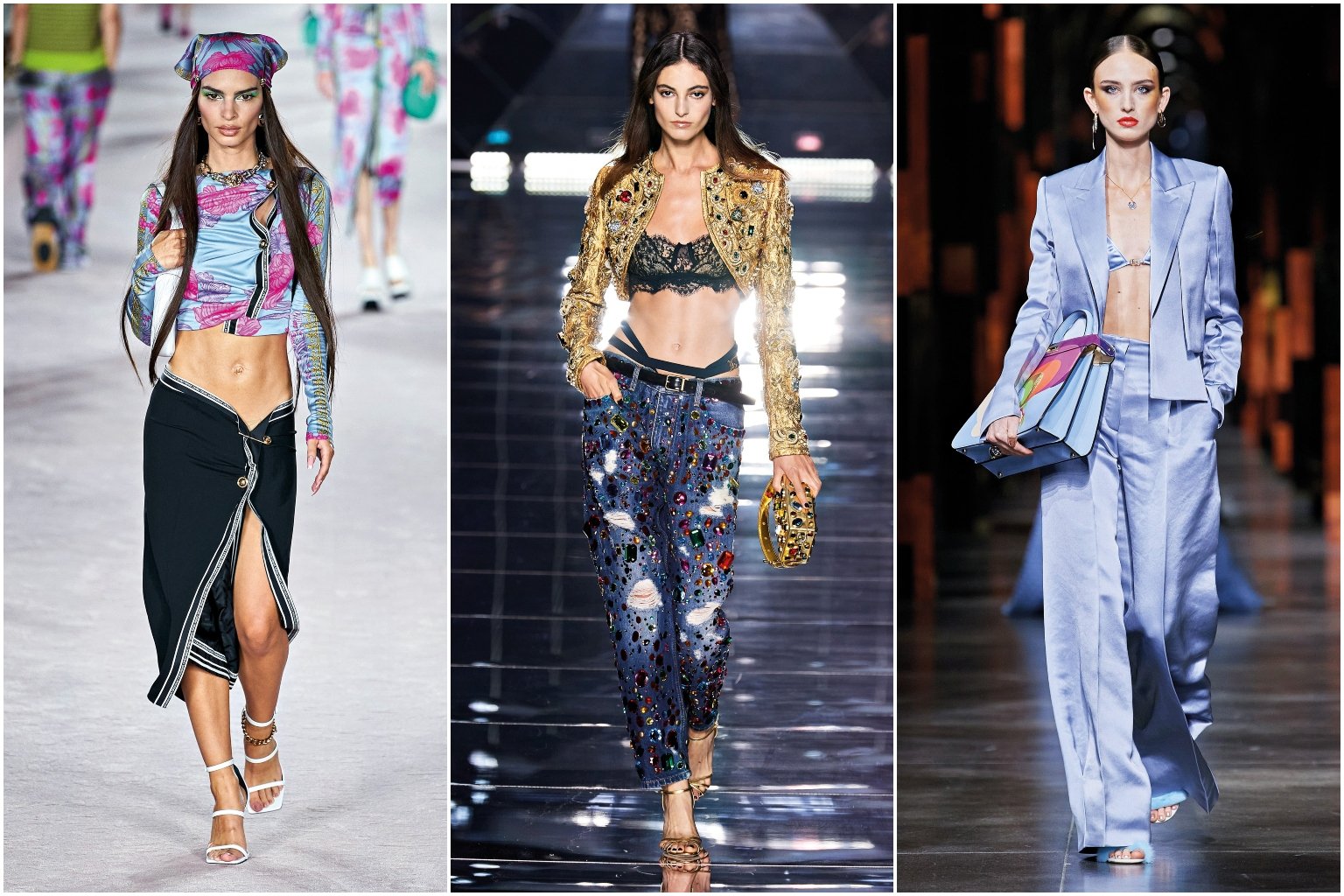
A decade ago, “baddie” was internet slang whispered mostly in Instagram comment sections and Vine captions. Today, it’s a full-blown aesthetic movement — one that’s shaped fast fashion, influenced runway silhouettes, and built entire careers for the creators who defined it. Here’s how a scrappy, DIY internet trend became one of the most recognizable style categories of the decade.
The Early Days: Baddie as Internet Slang
The term “baddie” started as a compliment — a way to describe someone who was effortlessly confident, stylish, and unbothered. Early adopters on Black Twitter and Instagram used it to celebrate a specific kind of self-assured glam: sleek ponytails, snatched waists, and a wardrobe built for both comfort and impact. It wasn’t a brand or a trend yet — it was a vibe, rooted heavily in Black and Latina beauty culture.
TikTok Turns a Vibe Into a Formula
When TikTok exploded, it did what it does best: it took an organic cultural moment and turned it into a replicable formula. “Baddie starter pack” videos, GRWM (get ready with me) tutorials, and outfit transition clips broke the aesthetic down into digestible steps — the brows, the bodysuit, the biker shorts, the confidence. Suddenly, anyone with a phone and a ring light could learn the formula in a fifteen-second clip.
This democratization was huge. What used to require insider knowledge of specific creators or communities became searchable, shareable, and endlessly remixable. Hashtags amassed billions of views, and the aesthetic spread far beyond its original cultural roots into a mainstream, algorithm-driven trend.
Fast Fashion Catches the Wave
Retailers noticed fast. Fast-fashion brands began releasing bodysuits, biker shorts, and chunky sneakers by the truckload, often within weeks of a look going viral. Influencer marketing deals turned individual creators into de facto trendsetters, with brands sending PR packages built entirely around “the baddie edit.” The aesthetic’s affordability and adaptability made it perfect for an industry built on speed.
High Fashion Takes Notice
What’s notable is how quickly the aesthetic’s DNA started showing up in places far removed from TikTok. Structured blazers, corset-inspired tops, and bold sunglasses — once dismissed as street trends — began appearing in runway collections and editorial spreads. Designers who once ignored internet aesthetics started crediting online creators and street style as direct inspiration, blurring the line between “runway trend” and “TikTok trend” almost entirely.
This wasn’t a coincidence. Runway design has always borrowed from youth and street culture, but the speed of that pipeline has accelerated dramatically. A look that trends online in January can influence a collection shown the following season — a turnaround that would have been unthinkable before social media compressed the fashion cycle.
The Cultural Tension
Mainstream adoption hasn’t been without friction. As the aesthetic spread, so did conversations about credit and origin — many creators and critics pointed out that the styles, slang, and beauty standards central to “baddie culture” were rooted in Black and Latina communities long before they went viral or hit a runway. The mainstreaming of the look has reignited ongoing conversations in fashion about who gets credited — and who profits — when a subculture becomes a trend.
Where It Stands Now
Today, “baddie” isn’t just an aesthetic — it’s a marketing category, a content genre, and a reference point designers openly draw from. It has splintered into micro-trends (soft baddie, dark academia baddie, clean girl baddie) while still holding onto its core identity: confidence, polish, and a wardrobe built to make an entrance.
The Takeaway
The baddie aesthetic’s journey from internet slang to runway influence is a case study in how social media has reshaped fashion’s entire ecosystem — turning individual creators into tastemakers and compressing the distance between the street and the runway to almost nothing.